
Settle in, then read tomorrow’s programme
After boarding, check your cabin assignment, the safety briefing and the next day’s schedule. Find out where updates appear and who can explain them in English. Save the meeting time and return deadline for any excursion you plan to join.
Check whether dinner is provided on embarkation night. Victoria’s published upstream fare conditions, for example, exclude dinner for evening departures. Other packages may differ. Resolve this before arriving, rather than treating every advertised cruise day as a full day of meals.
Meals, time ashore and stretches on the river
A morning might begin with breakfast followed by an excursion briefing or time on deck. Later you may return for lunch, sail through scenery, or transfer to a smaller excursion boat. The evening may offer dinner and a show, a talk or simply time to relax. The order depends on your route and ship; this is not a promised schedule.
Plan around the places rather than filling every gap. Check the daily programme before committing to a spa appointment or a nap: the view you want may pass while you are indoors. You do not need to attend every advertised activity to enjoy the journey.
Ask about the meal plan, not just ‘food included’
Buffets, set meals and restaurant arrangements differ between ships and cabin packages. Do not assume all dinners follow one format or that an upgraded restaurant is included. Ask which meals, drinks and venues your booking covers, including embarkation night.
If a dietary requirement is important, ask the seller for confirmation before payment. Explain what you need specifically rather than relying on a broad claim of international dining. Once onboard, confirm the arrangement with the dining team.
Look at the category and layout you are actually buying
The fleet ranges from conventional cabins to much larger suites, so ‘river cabins are small’ is not a useful rule. Compare the floor plan, balcony type, bed arrangement and whether quoted floor area includes the balcony. A third bed can change how usable the room feels.
Ask about proximity to engines, busy public spaces and lifts if noise or access matters to you. A ship having a lift does not establish step-free access to every deck or excursion. Guest photos help you assess the space, but a photograph of another cabin category is not a promise about yours.
Confirm English support for the actual departure
An English booking page does not guarantee that every briefing, show or shore tour is in English. Ask who provides English assistance onboard and whether your booked excursions have an English-speaking guide.
Each evening, confirm tomorrow’s meeting times and scenic passages with staff. A written programme or a saved translation can be more useful than waiting for an announcement you may not hear.
Keep essential information available offline
Wi-Fi availability, charges and reliability vary by ship, and mobile reception can change along the route. Do not book the trip on the assumption that a time-critical call will work. Ask what access your cabin package includes.
Save tickets, meeting instructions and important contacts before boarding. Bring a charged power bank for photos and maps; keep your phone free to be a camera during the passages you most want to see.
Separate included stops from optional purchases
A place appearing in an itinerary is not proof that admission or a guided visit is included in your fare. Check the written list, optional prices and cancellation terms. Ask how much walking, climbing or small-boat boarding is involved before choosing an excursion.
If you skip a tour, ask where passengers may wait and whether staying aboard is possible during that particular operation. Do not assume independent sightseeing is possible at every stop, or leave the group without confirming how you will rejoin it.
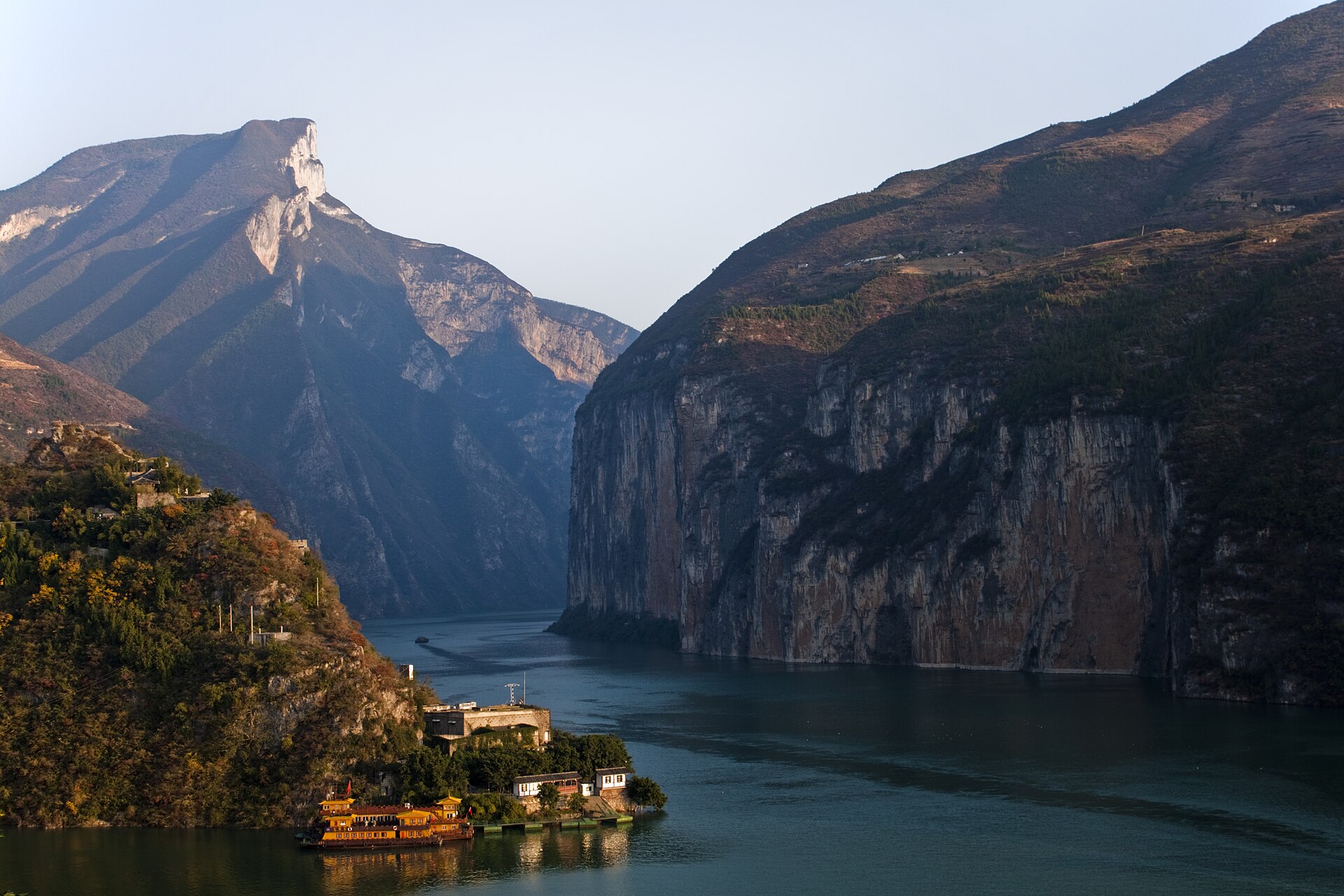
Make time for Qutang, Wu and Xiling Gorge
Ask which sections your itinerary passes, the expected viewing times and which deck is best to use. Direction, daylight and operational changes affect what you see. Not every itinerary gives a full daylight passage of every gorge; Victoria explicitly cautions that Xiling viewing may occur outside daylight hours.
Check again the evening before and allow time to get outside. A balcony is convenient, while open decks let you change viewing sides. Bring a layer or rain protection as appropriate, and follow crew instructions about deck access.
Keep the practical essentials close
Comfortable walking shoes, layers, weather protection and a small day bag are useful starting points; adjust them to your actual excursions and forecast. Check any dress requirements with the operator rather than assuming every ship uses the same dinner rules.
Before the last day, review extra charges, luggage collection and your final drop-off arrangements. Keep documents and valuables with you. If your package ends after a road transfer or a final excursion, docking time alone will not tell you when you can catch a train.
Yangtze cruise questions, answered carefully
Is a Yangtze cruise like an ocean cruise?+
The emphasis is usually scheduled shore visits and river scenery rather than a large resort-style entertainment programme. Cabin comfort, dining and facilities still vary substantially by vessel and fare.
Will announcements and tours be in English?+
Confirm this for your ship and departure. An English booking page alone does not guarantee English-speaking guides or complete English announcements.
Do I have to buy every optional excursion?+
Check which visits your fare includes and decide what interests you. If declining a tour, ask where you may wait and how the ship’s movements affect rejoining.