
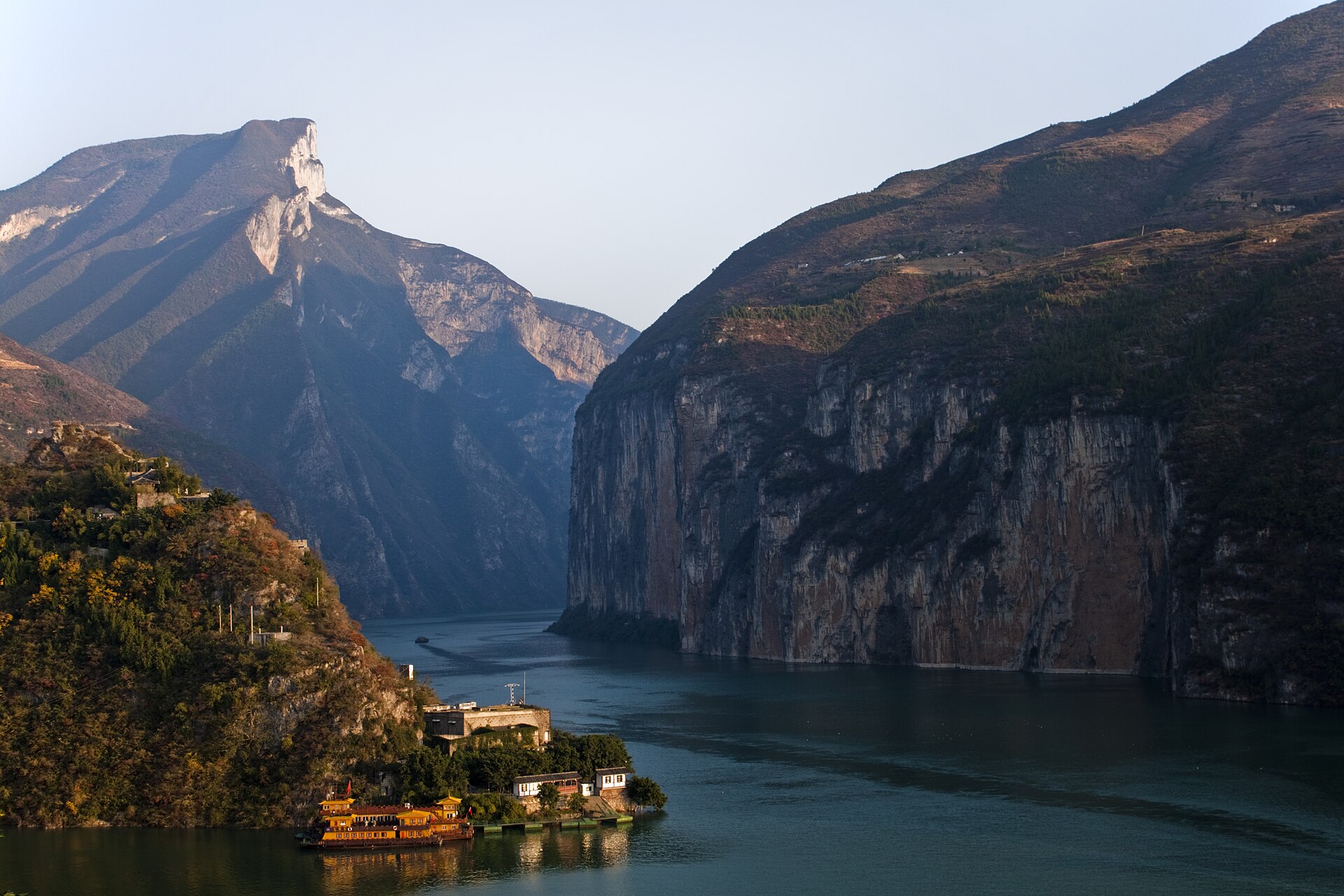
Most people first hear about a Yangtze cruise as a list of ships. We think that begins in the wrong place. The reason to make this journey is the river itself.
The river comes first
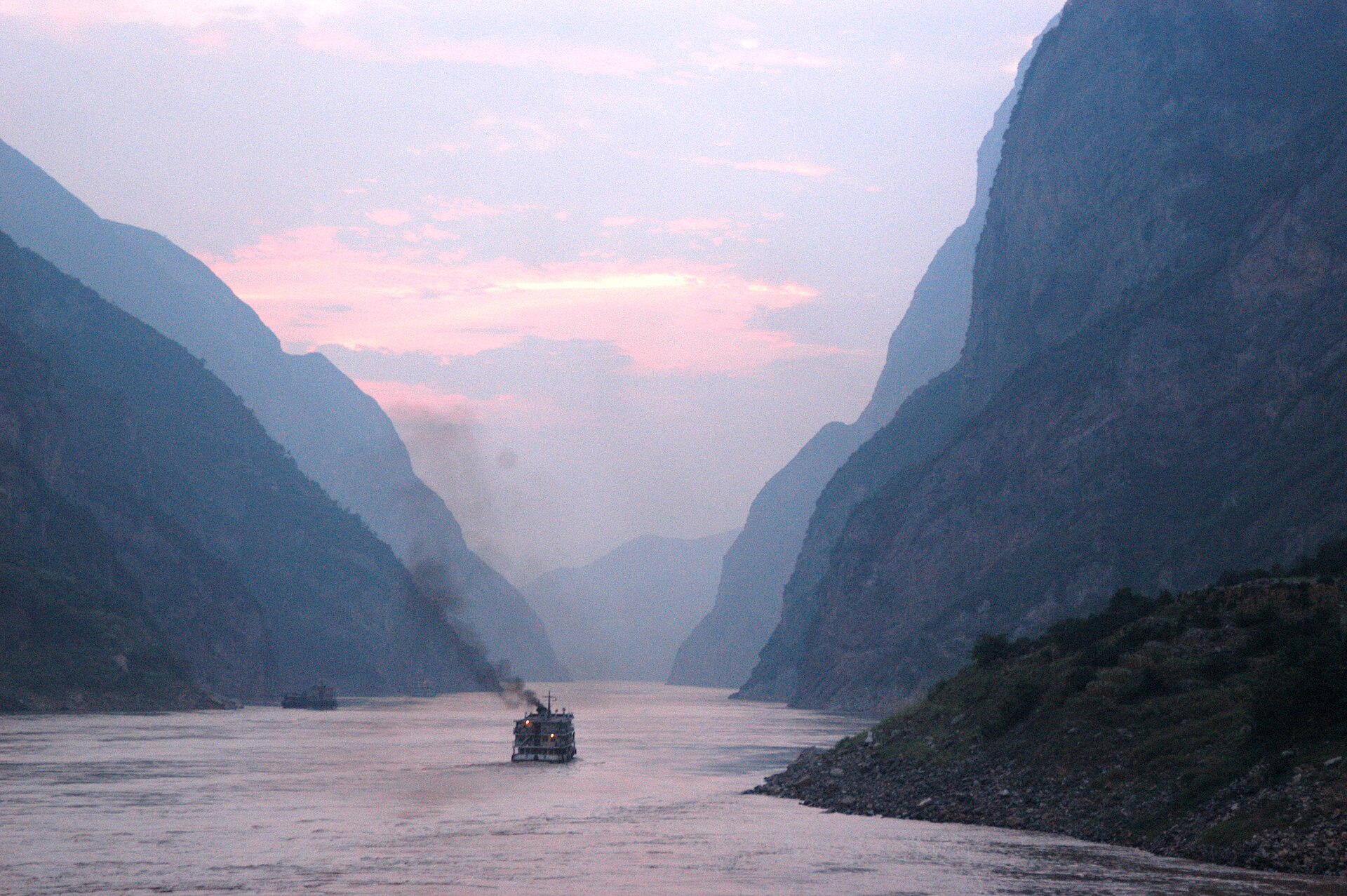
Qutang Gorge is short and dramatic: the river narrows at Kuimen and the cliffs feel close enough to frame the ship. Wu Gorge is longer and quieter, with layered peaks that change in mist and sunlight. Xiling Gorge opens the landscape again on the approach to Yichang. They are different chapters of one continuous river journey, not interchangeable scenic stops.
A cruise is simply the unusual way this landscape reveals itself. The view keeps moving while your room moves with you. That is also why a Yangtze ship should not be judged only as a smaller version of an ocean liner. Facilities and dining matter, but the most important moments may be the announced passage through a gorge, when being on deck matters more than what is happening inside.
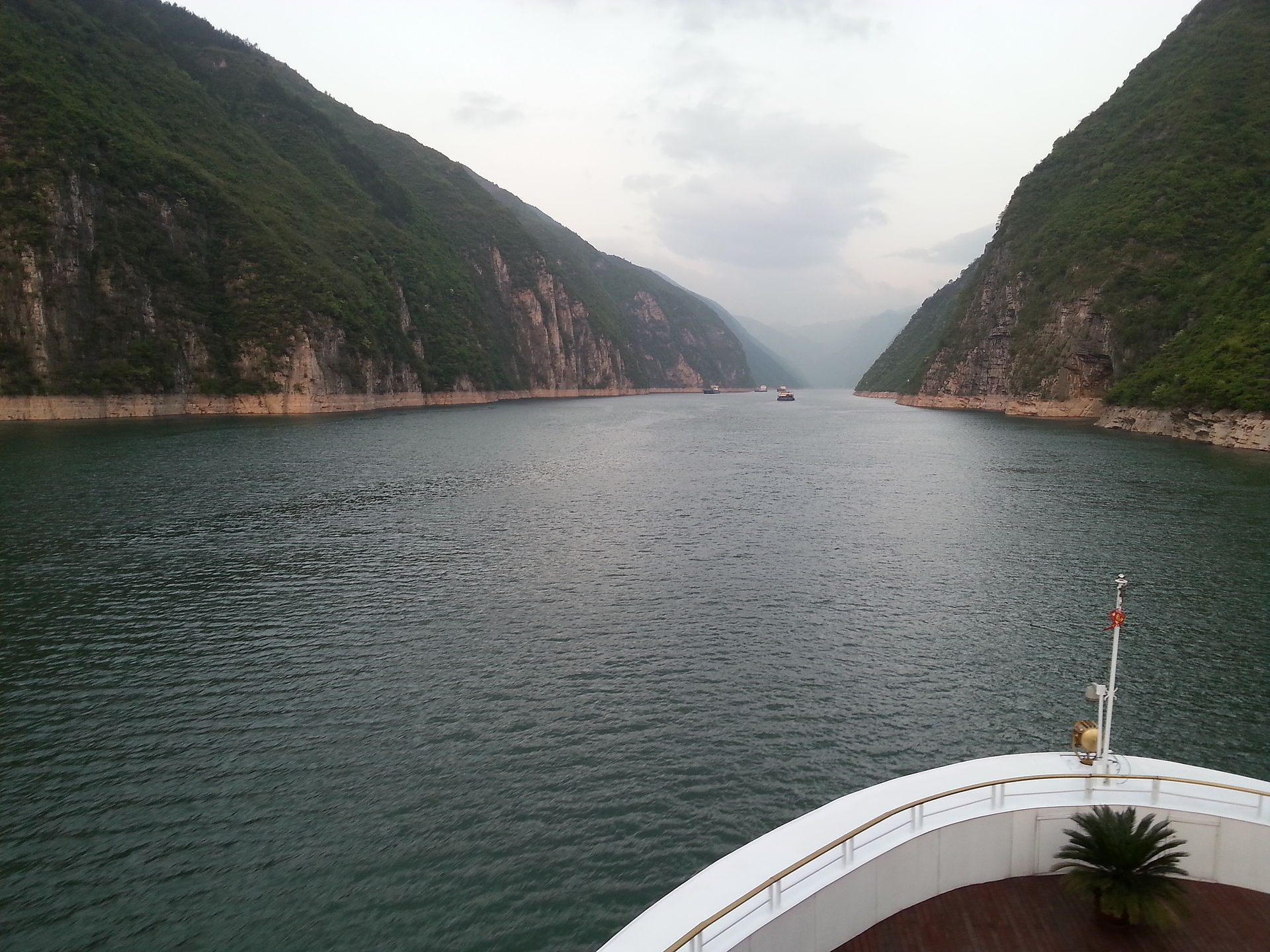
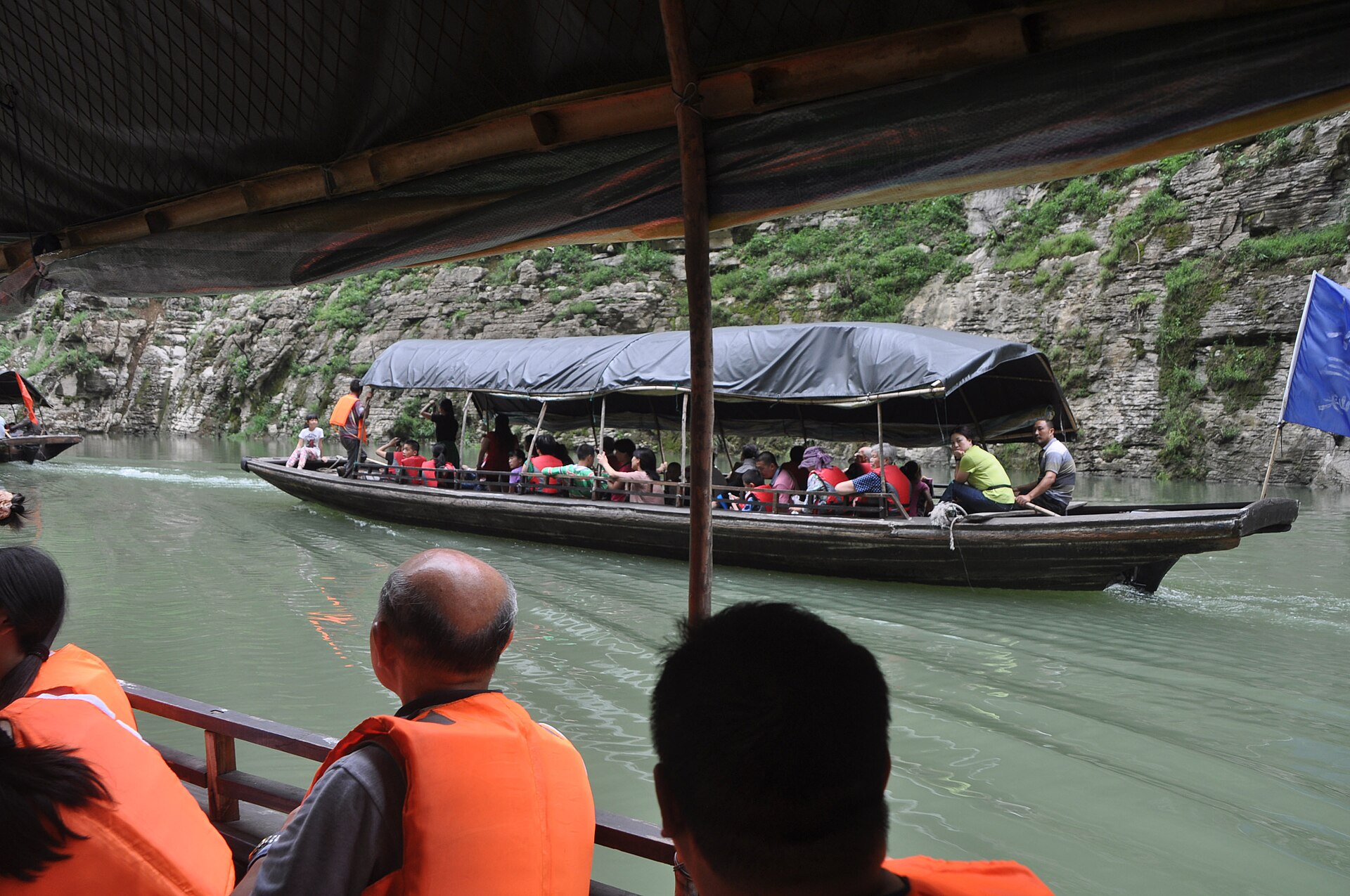
The ship matters—but it is the river, the cliffs and the changing light that make the journey worth taking.
The question we kept hearing
Our team has worked in China's tourism industry for 10 years. Over that time, we repeatedly met international travellers who wanted to experience the Three Gorges but could not find enough clear English information to choose with confidence. They were not asking for endless options. They wanted straightforward answers: Which ship is this, exactly? Is that photograph current? What does the fare include? Will English be spoken? How much walking is involved? Is this review about the same vessel?
Useful information did exist, but it was scattered. One detail might sit on an operator's Chinese page, another in a seller listing, and another inside hundreds of traveller reviews. English ship names were not always consistent. Older and newer vessels from the same fleet were sometimes discussed together. Photographs, itineraries and prices could belong to different seasons or packages without making that distinction obvious.
The market itself adds another layer. There are many operators, individual ships, sailing directions and cabin packages. A downstream Chongqing-to-Yichang itinerary is not the same product as an upstream sailing, even on the same ship. Nor does a familiar fleet name tell you the condition, cabins, service or review history of every vessel carrying that name.
What we try to do differently
We separate one ship from another. We attach dates and sources to facts that can change. Reviews and guest photographs are kept with the exact vessel they came from, rather than borrowed from a sister ship because it looks similar. When the evidence is thin, the page should say so. An empty space is more honest—and more useful—than confident-looking information we cannot support.
We have not personally sailed every ship on this website, and we do not pretend that we have. Our work is to gather, compare and explain the best available evidence. That evidence has limits: listings change, ships are refurbished, routes are adjusted and translations can be imperfect. We will make mistakes. If you find one, we genuinely want to hear about it so we can check the source and correct the page.
Independent by design
We are an independent third party. We do not accept sponsorship from cruise lines or operators, and no company can pay for a better ranking, a kinder review or more favourable wording. That boundary matters because the site only helps if readers can trust that a recommendation was not bought.
We also want to be transparent about how the site can support itself. Some outbound booking links contain affiliate parameters. If a reader books through one of those links, we may receive a commission at no extra cost to the traveller. The link comes after the editorial work; it does not decide which ship is included, how it is described or where it ranks.
This guide is still a conversation
A website cannot anticipate every family, mobility concern, dietary need or route question. If you have read the guide and still cannot find the answer you need, write to us. Tell us the ship, date or question you are considering. We may not always have an immediate answer, but we will be honest about what we know, what we can verify and what remains uncertain.